
Why
phytoremediation?
Landfill leachate contains a complex mixture of inorganic and organic substances, including emerging pollutants. Effective treatment requires a combination of technological approaches.
Together with the Department of Plant Physiology and the Department of Geochemistry at the Faculty of Natural Sciences, Comenius University Bratislava, we are investigating the potential of phytoremediation. Bioremediation technologies can complement conventional methods and help improve leachate treatment through a greener approach.
PHYTOREMEDIATION
A controlled substrate–plant system that helps remove, degrade or inactivate pollutants.
Project objectives
- 01
Study the phytoremediation processes responsible for removing pollutants from landfill leachate.
- 02
Optimise the conditions of phytoremediation systems to maintain and improve their effectiveness.
- 03
Design, implement and evaluate optimal ways to recover or dispose of biomass once the system reaches its capacity.
From the laboratory
towards field application.
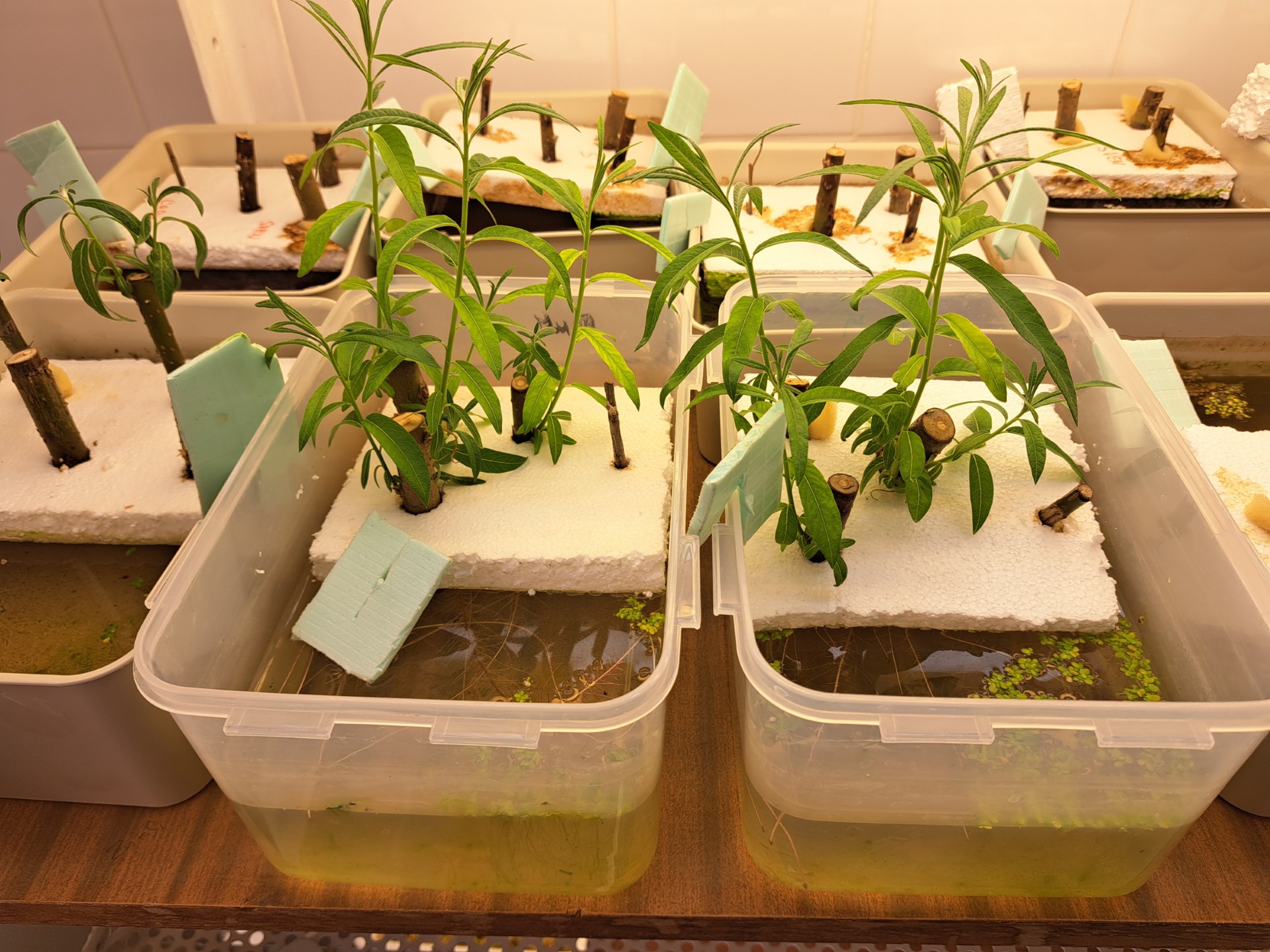
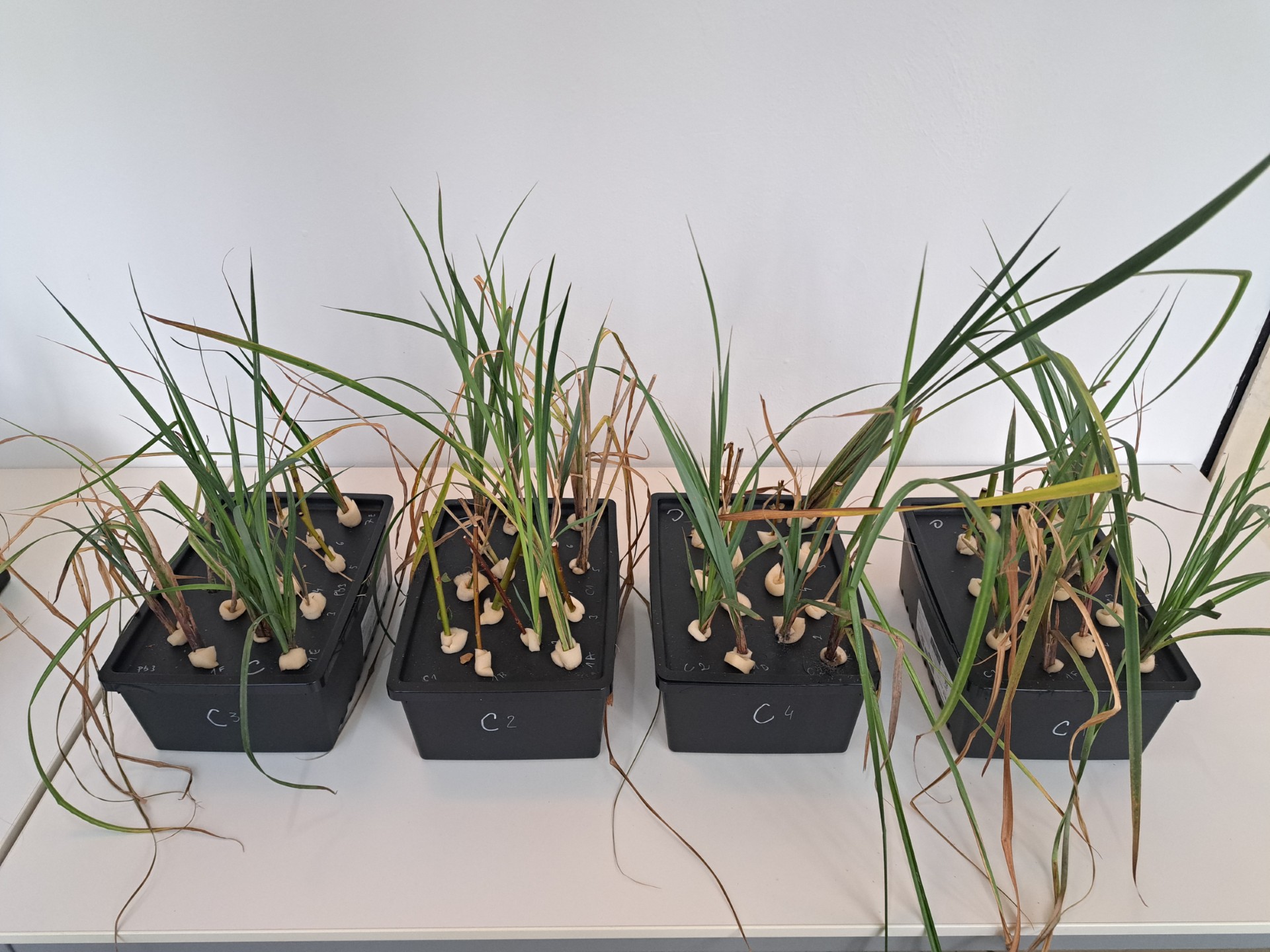
In the initial stages, we tested the tolerance of plants such as common duckweed (Lemna minor), willow (Salix) and other species to the ecotoxic effects of landfill leachate.
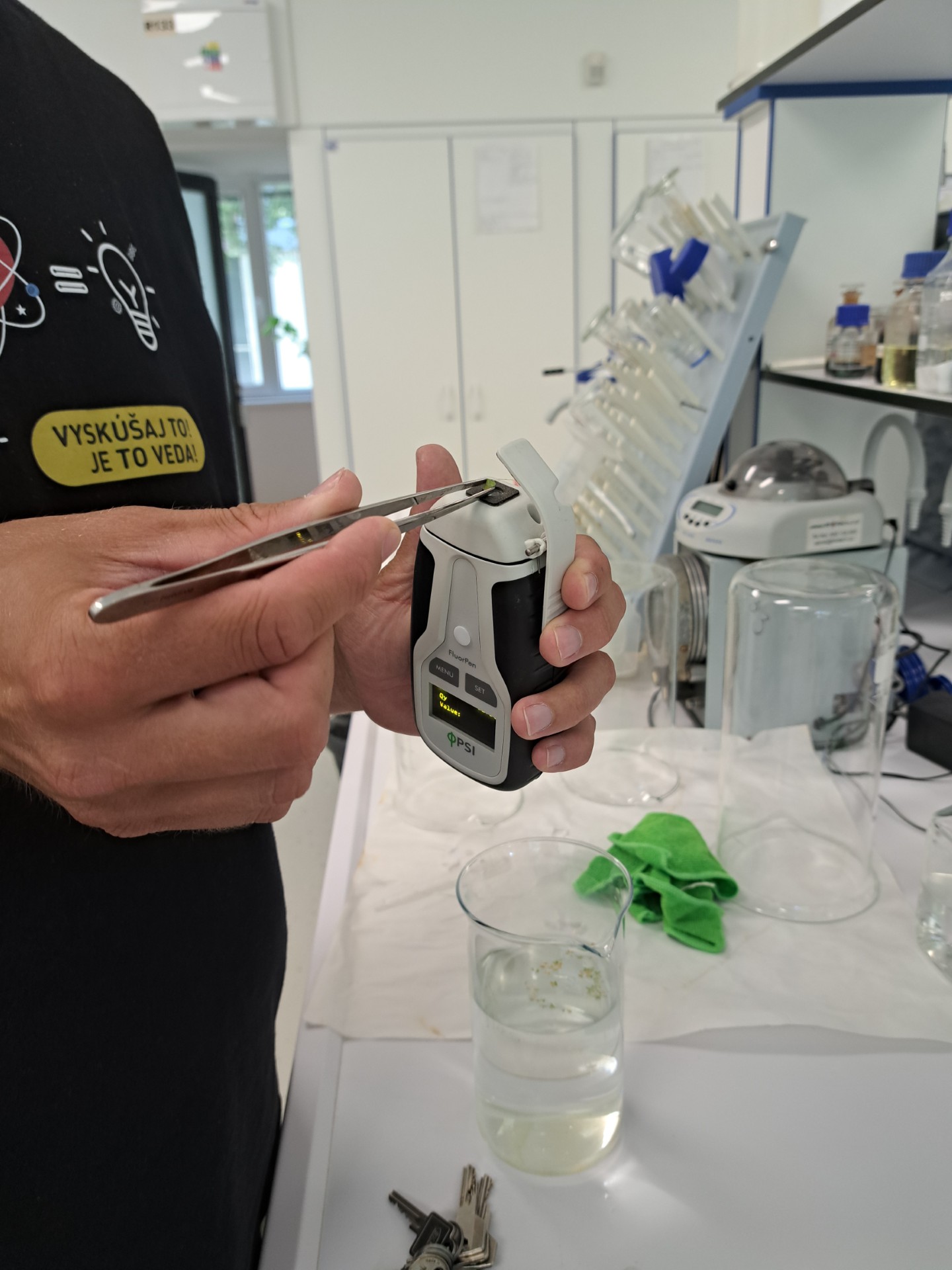
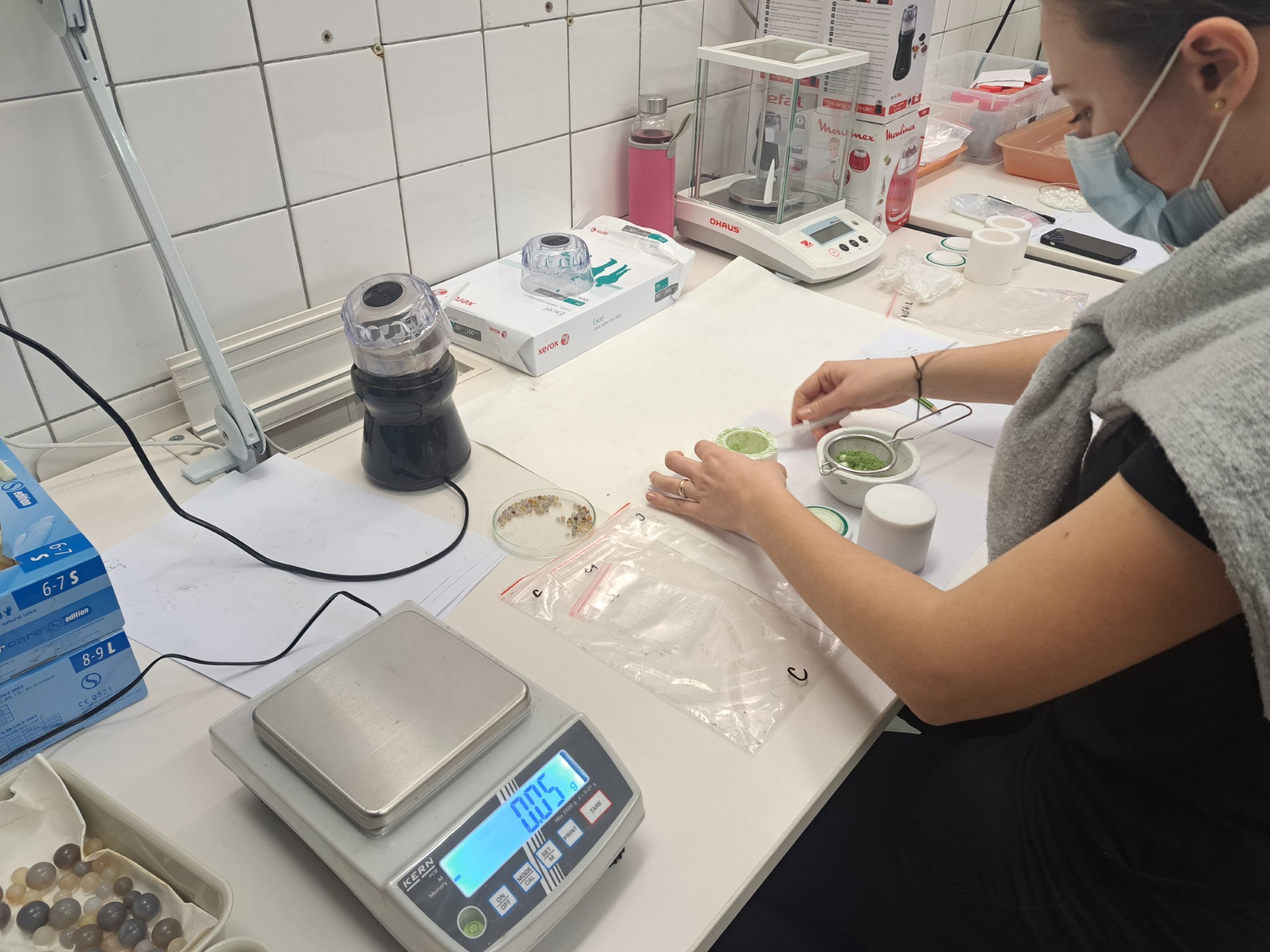
We examined how the initial pollutant concentration, pH adjustment and nutrient addition affect plant survival and growth. Following the identification of optimal conditions, the research focuses on phytoremediation performance in growth chambers and its synergy with biodegradation.
The next planned step is to transfer the technology from laboratory conditions to an actual landfill environment.
PROJECT POSTER · IN SLOVAK
The project
at a glance.
The principles, objectives and research approach of NYMphyto in the original project poster.
Open the full poster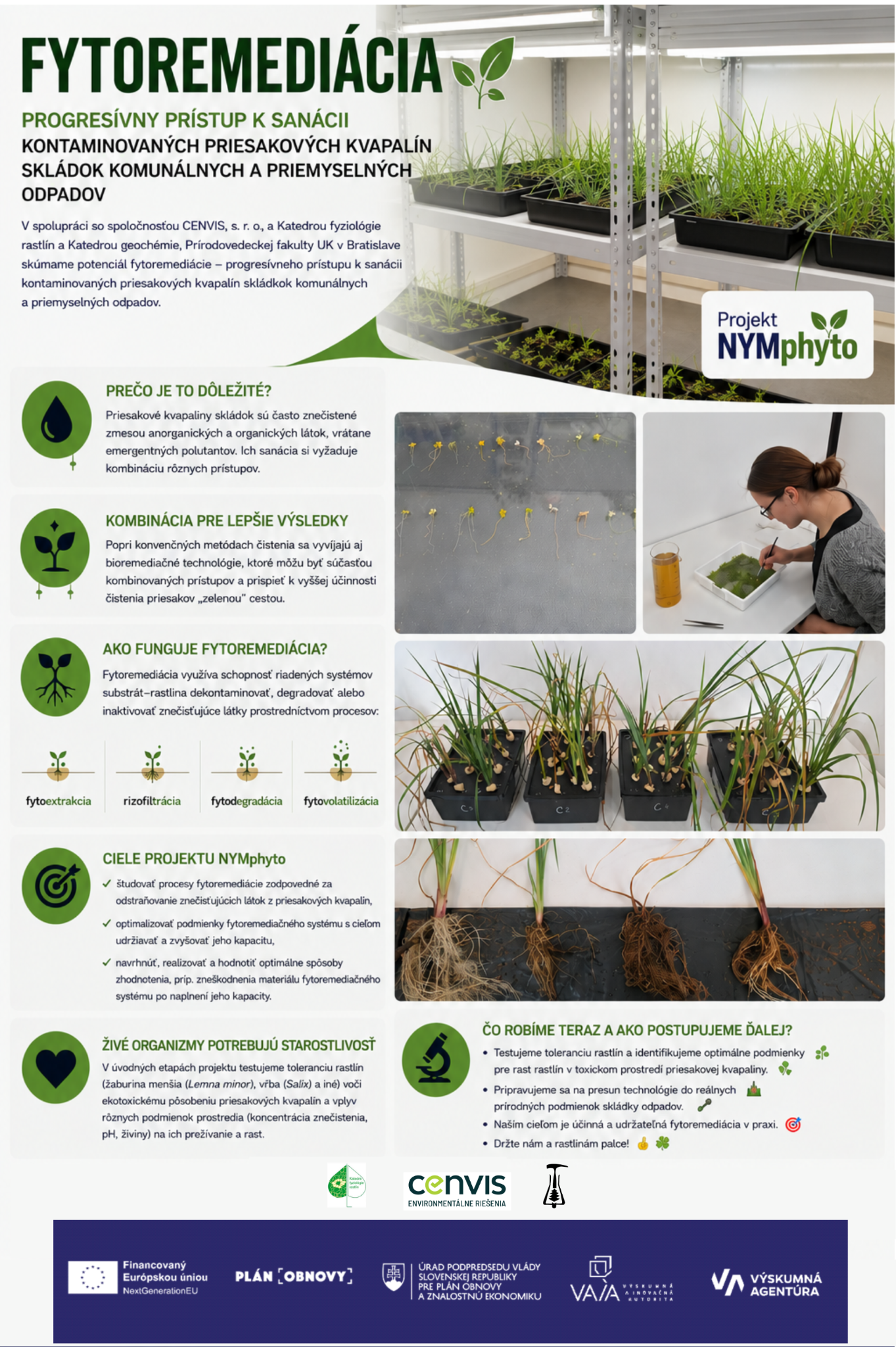
Funded by the European Union – NextGenerationEU through the Recovery and Resilience Plan of the Slovak Republic (VAIA, VA).